


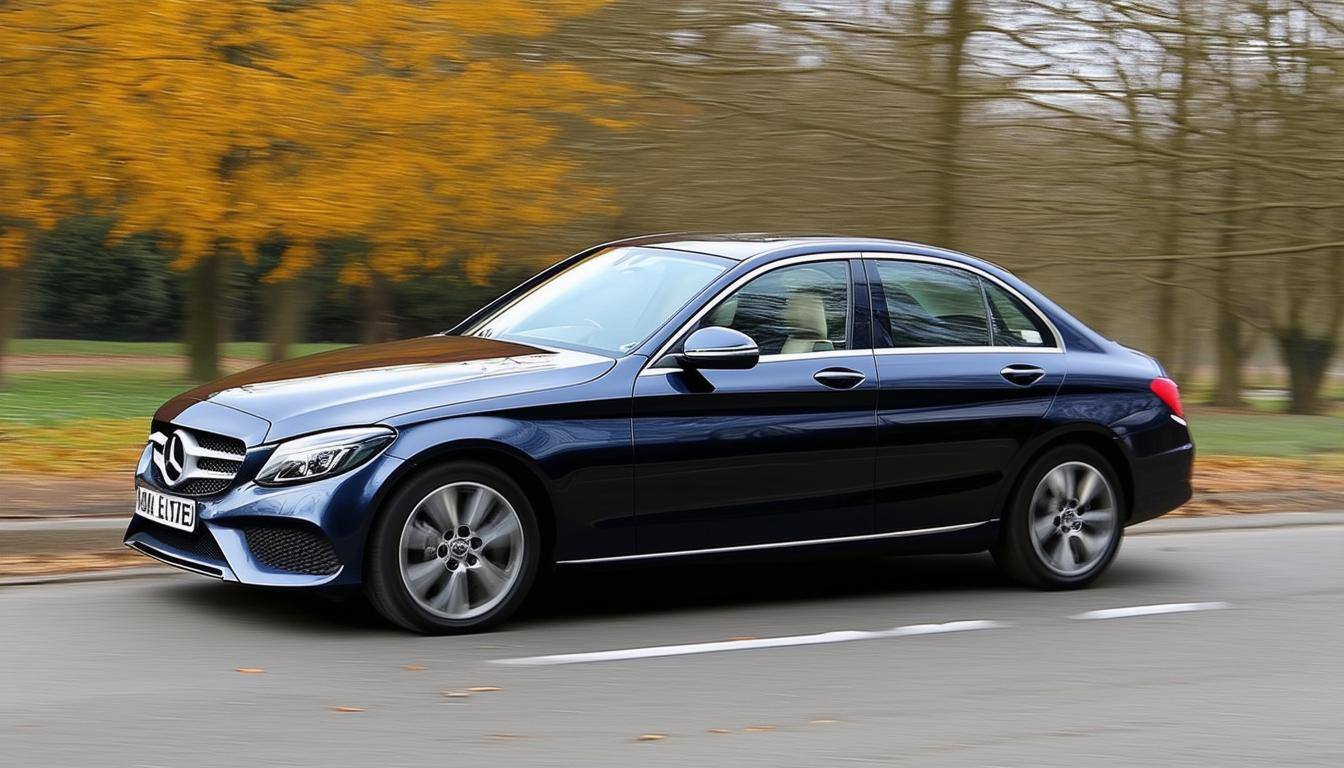
New car leasing has quietly become one of the most popular ways to get behind the wheel...

Jul 29, 2026
Short-term contract hire is no longer a niche option.
As more people look for flexible ways to access a vehicle, thousands are searching for answers about shorter lease agreements every month. Questions about costs, contract lengths, credit checks, salary sacrifice and alternatives to renting appear across Google, Reddit and Quora every day.
Rather than adding more sales jargon, we've answered those questions directly.
This guide brings together the most common questions people ask about short-term contract hire in the UK, with clear, factual answers to help you understand your options and choose the solution that's right for you.

Frequently Asked Questions About Short-Term Contract Hire
Is there any way to arrange a short-term car solution that could carry over to my new employer's salary sacrifice scheme?
In most cases, no. Personal short-term leases and employer salary sacrifice schemes are separate agreements with different legal structures.
A personal lease is between you and the leasing company, while a salary sacrifice vehicle is leased by your employer as an employee benefit. Because of this, you generally can't transfer or convert a personal lease into a salary sacrifice arrangement.
If you only need a car for a few months before joining a salary sacrifice scheme, your main options are:
- Take a 3–6 month short-term lease.
- Use a flexible monthly car subscription.
- Buy an inexpensive used car and sell it when your salary sacrifice vehicle arrives.
What are the most sensible and cost-effective options for this 3-month gap period?
The best option depends on your budget and flexibility.
1. Short-term contract hire
Ideal if you want a reliable, modern car with fixed monthly payments and no resale hassle.
2. Buy a cheap used car
Often the lowest-cost option. Buying a reliable car for around £1,500–£3,000 and selling it a few months later can be cheaper than leasing if you avoid major repairs.
3. Monthly car subscription
Includes insurance, servicing and maintenance in one payment, with much shorter commitments than a traditional lease. More flexible, but usually more expensive.
4. Long-term rental
Suitable for a few weeks, but for a three-month gap, short-term contract hire is typically better value.
5. Borrow a car
If family or friends have a spare vehicle, contributing towards insurance and running costs can be the cheapest solution for a short-term gap.
Where can I lease a car for a shorter period, like 12 to 18 months?
Although many personal leases run for 24–48 months, several UK providers offer much shorter terms.
When comparing short-term leases, look for:
- 3, 6, 9, 12 or 18-month contracts
- Flexible mileage allowances
- Low or no initial payment
- Fast delivery from in-stock vehicles
- Optional maintenance packages
Before signing, compare the monthly cost, initial payment, mileage limits, excess mileage charges, delivery times, maintenance cover and early termination terms.
If you plan to switch to a salary sacrifice scheme, choose a contract that ends shortly before you're eligible to avoid overlapping agreements. Short-term contract hire is often the most flexible option for drivers who only need a car for 12–18 months.
Is leasing a Car better than outright buying?
The best option depends on your budget, driving habits and how long you plan to keep the car.
Leasing suits drivers who want a new car every few years with fixed monthly payments and no hassle selling it later. It's ideal if you want predictable costs and drive a consistent annual mileage.
Buying gives you full ownership, with no mileage limits or return conditions. Although it costs more upfront, it can be the cheaper option if you plan to keep the car for many years.
What About Short-Term Contract Hire?
If you only need a car for a few months or up to two years, short-term contract hire is often the most practical choice. It offers flexible contract lengths with fixed monthly payments, making it ideal if you're:
- Waiting for a new car
- Starting a temporary job or contract
- Relocating
- Trying an EV before committing
- Waiting to join a salary sacrifice scheme
Which Option Is Right for You?
|
Your situation |
Best option |
|
You want the lowest long-term cost and plan to keep the car for many years |
Buy outright |
|
You like changing cars every few years |
Lease |
|
You only need a vehicle temporarily (1–24 months) |
Short-term contract hire |
|
You want predictable monthly costs with minimal hassle |
Lease or short-term contract hire |
|
You drive very high annual mileage |
Buying may offer better value |
Leasing isn't necessarily better than buying, and buying isn't always the cheapest option. The right choice depends on how long you need the vehicle, your budget and how much flexibility you want.
Do I need 3 years address history for short term contract hire?
Most UK leasing providers ask for three years' address history, but you don't need to have lived at the same address for that entire period. You'll simply need to provide a continuous record of where you've lived over the last three years.
This information helps finance companies verify your identity, match your credit record and assess your application. As lease agreements involve a credit check, it's a standard part of the process.
If you've recently moved, just include your previous addresses until you've covered the full three-year period.
If you've lived in the UK for less than three years, some lenders may still approve your application but could ask for additional information, such as proof of employment, UK bank details, visa or residency status, or your overseas address history. Requirements vary between providers.
Would the credit score really make a difference when going to lease a car?
Most personal contract hire and business contract hire agreements involve a credit assessment. The exact requirements depend on the finance company and the type of agreement you're applying for.
Some short-term vehicle providers also offer non-credit-funded rental or subscription products, which may have different eligibility requirements than traditional contract hire.
Does increasing upfront payment decrease overall cost?
A larger upfront payment (or initial rental) will usually reduce your monthly payments, but it doesn't necessarily lower the total cost of the lease.
How does the upfront payment work?
With most UK contract hire agreements, you'll pay an initial rental before the vehicle is delivered. This is commonly expressed as a multiple of the monthly rental, such as:
-
1 month's initial rental
-
3 months' initial rental
-
6 months' initial rental
-
9 months' initial rental
For example, if the monthly rental is £300:
-
3-month initial rental = £900 upfront
-
6-month initial rental = £1,800 upfront
-
9-month initial rental = £2,700 upfront
A higher initial rental may suit you if you want lower monthly outgoings or need to fit within a set budget.
A lower initial rental can be a better choice if you want to preserve cash, reduce your upfront commitment or keep more money available for other expenses. This is often particularly beneficial with short term contract hire.
Keep in mind that the initial rental is usually non-refundable, even if the agreement ends early or the vehicle is written off or stolen. Always check the terms of your lease and insurance policy.
What Are Some Financial Aspects to Consider When Leasing a Car?
Leasing can make driving a new car more affordable by spreading the cost into fixed monthly payments, but it's important to consider the total cost, not just the monthly rental.
Key costs to check include:
- Monthly payments: These depend on the vehicle, contract length, mileage allowance and initial rental. Compare the total amount payable, not just the monthly price.
- Initial rental: Paying more upfront usually reduces your monthly payments, but doesn't necessarily lower the overall cost.
- Mileage allowance: Higher mileage limits increase monthly payments, while exceeding your allowance can lead to excess mileage charges.
- Maintenance: Some agreements include servicing and tyres, while others don't. Maintenance packages can make budgeting easier.
- Insurance: Personal leases typically require you to arrange your own comprehensive insurance.
- Fuel or charging: Running costs vary depending on whether you choose a petrol, diesel, hybrid or electric vehicle.
- Wear and tear: Damage beyond fair wear and tear standards may result in charges when you return the vehicle.
- Early termination: Ending a lease early can be expensive, so consider a shorter contract if your circumstances may change.
- Road tax: This is often included with new contract hire agreements, but always check before signing.
Previous Blog

New Car Safety Tech Becoming Standard in 2026 | Wagonex
Next Blog
![]()
Hyundai Tucson vs Kia Sportage: Compare & Lease | Wagonex
Similar posts

Read More

Electric car sales increased by a huge 186% in 2020, it’s clear that drivers are making...