
Oct 12, 2026
Commutes change. Jobs move. Contracts end and new ones start somewhere else entirely. If...

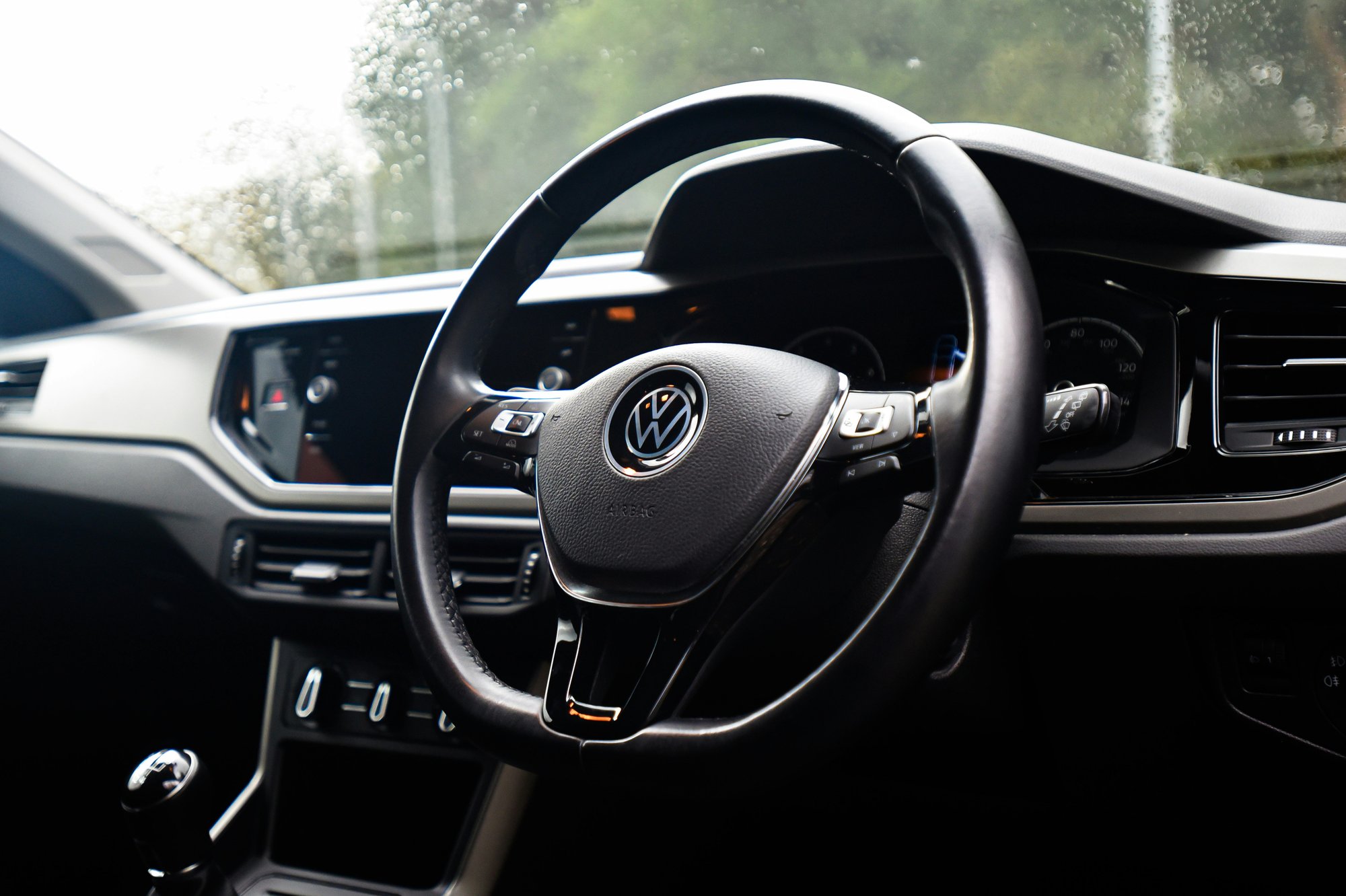
If you're thinking about a new car over the next few years — whether you're buying, on a PCH lease or on a subscription — the car you end up with is going to be noticeably smarter about keeping you, and the people around you, safe.
In July 2026 the government confirmed it will require 18 proven safety technologies on new mass-produced vehicles going through GB type approval. The decision followed a public consultation that ran earlier in the year, and most people who responded backed it. Here's a plain-English look at what's coming, why, and what it changes for anyone getting a newer car.
Britain already has one of the strongest road safety records in the world, but progress on cutting deaths and serious injuries has stalled in recent years. Distraction and speed are still the big causes, and pedestrians, cyclists, motorcyclists and e-scooter riders are hit hardest.
There's also an alignment story. Back in 2019 the EU brought in a wider set of safety requirements. Those already apply in Northern Ireland, but not in the rest of Great Britain. Bringing GB into line means fewer differing specifications, less cost passed on to buyers, and easier trade. In practice, a lot of new cars sold here already meet these standards — carmakers build to the European rules anyway.
Some of these you've probably already used without thinking about it. Others are newer. Grouped by what they actually do:
Helping you see and react
Stepping in when things go wrong
Protecting people in a crash
Keeping the car healthy and honest
The strongest public support was for the straightforward, well-proven ones: tyre pressure monitoring, blind spot warning, reversing awareness and direct vision.
It's worth being straight about this, because the debate is real. The features that intervene in your driving — intelligent speed assistance and the lane-keeping system in particular — got the most pushback. People raised fair questions about how well they cope with rural roads, faded markings and bad weather, and whether false alerts might tempt drivers to switch them off.
There were also privacy questions about the event data recorder. The government's position is that recorder data generally belongs to the vehicle owner and is covered by the same data protection rules as any other personal data, with existing cybersecurity regulation guarding against tampering.
And cost came up a lot — the price of the tech itself, plus repairs and recalibration down the line. That feeds into a point that matters for anyone running a car over several years: these systems need to keep working, which means proper maintenance, calibration and repair, ideally with independent garages able to access the right tools and data, not just franchised dealers.
The consultation also asked about the alcohol interlock interface facilitation — the wiring that lets a breathalyser-style interlock be fitted. The government decided not to mandate it for now, seeing it as a lower priority ahead of a wider policy on alcohol interlocks. In reality, many new cars will have the interface anyway, because manufacturers keep things consistent with cars sold in the EU and Northern Ireland.
The rollout is phased, and the timings were pushed back a little from the original proposal to give manufacturers more time. Once the legislation comes into force:
So this isn't an overnight change. But because so many cars already meet the standards, you're likely to be sitting in a car with most of this tech well before every deadline bites.
The short version: newer cars mean more of this as standard, sooner. A three- or four-year lease or subscription taken out over this period will very often put you in a car already built to these standards — without you having to hunt for it or pay extra for a safety pack.
If any of these features matter to you specifically — automatic emergency braking, blind spot warning, a tyre pressure monitor — it's worth checking the spec of the exact model and trim before you commit, since availability still varies while the rules phase in.


Commutes change. Jobs move. Contracts end and new ones start somewhere else entirely. If...

Why Used Car Leasing Is Suddenly the Best-Value Move in UK Motoring If you've been...
If you've been putting off changing your car, you're not imagining the hesitation....