
New car leasing has quietly become one of the most popular ways to get behind the wheel...
Aug 5, 2026
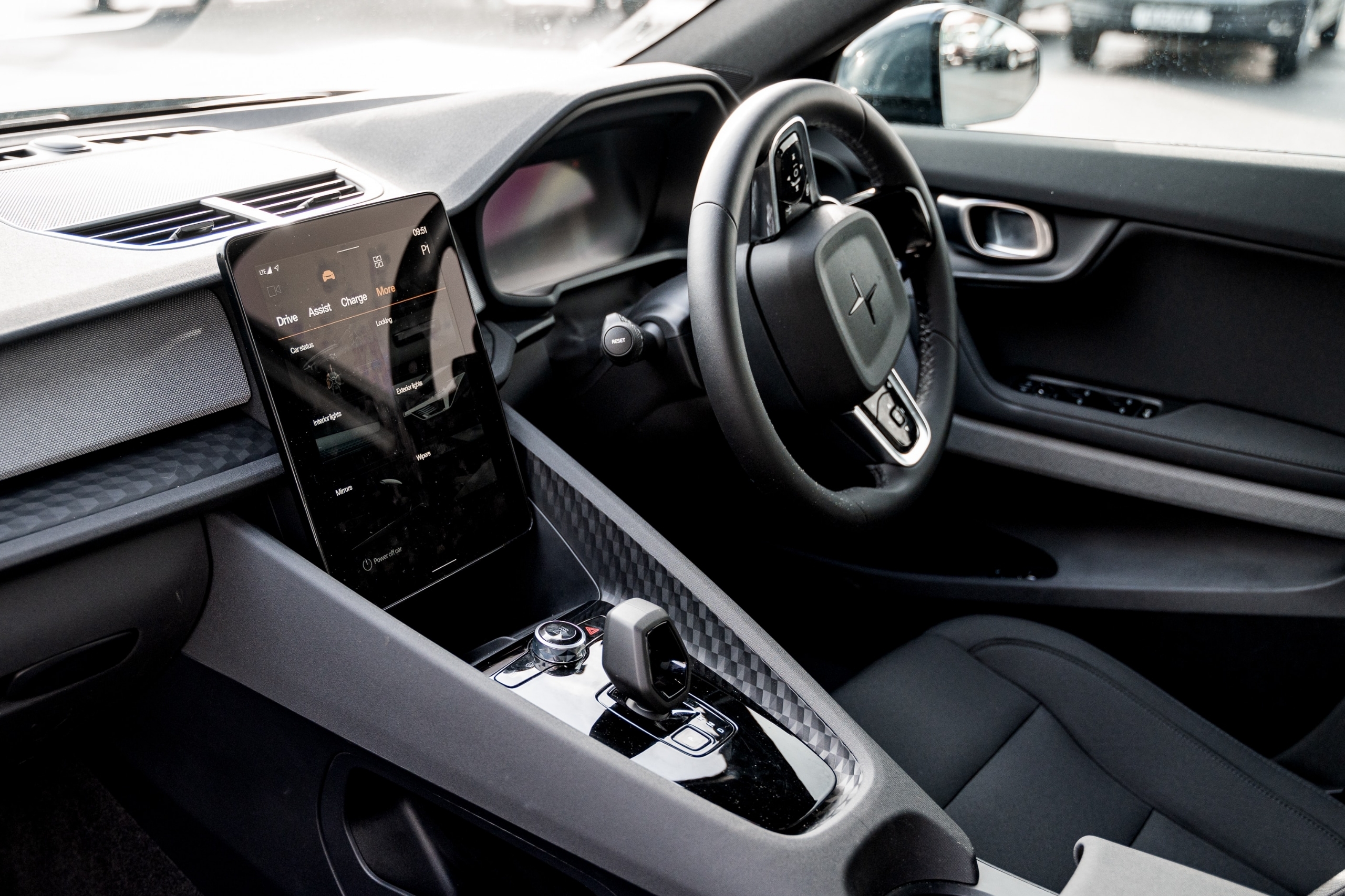
Car manufacturers love to tell us they're reinventing the driving experience. Bigger screens, fewer buttons, mobile-operated controls through apps for everything and I mean everything...
But now and then, a feature comes along that really makes you stop and think.
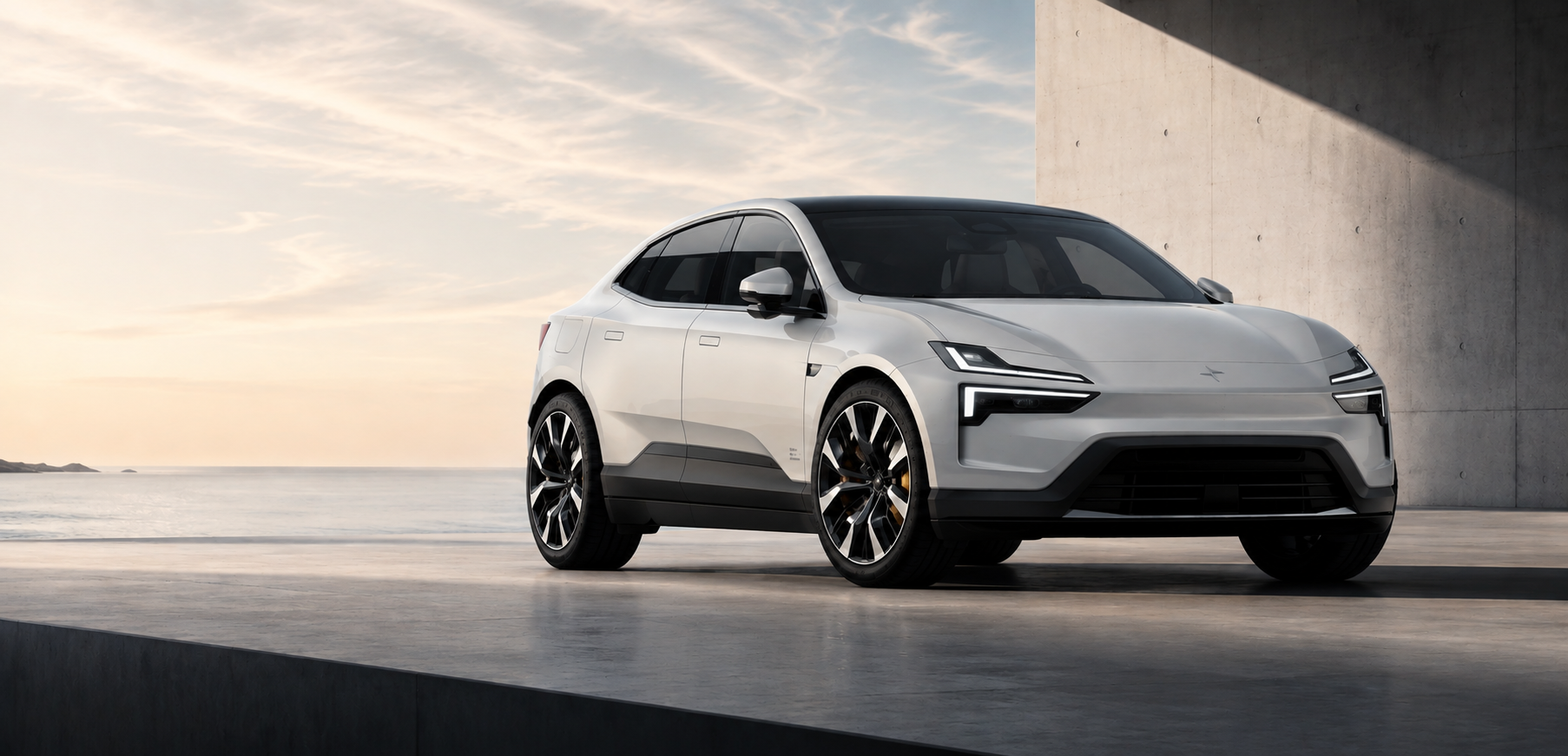
One of them is Polestar's missing rear window!

That's right. No rear window. Instead of looking through glass, the rear-view mirror is actually a screen displaying a live feed by using a camera mounted at the back of the car.
On paper, it makes perfect sense. The camera offers a wider view, luggage can't block it, passengers don't get in the way, and designers have more freedom to create a sleeker-looking car.
For decades, one of the most basic parts of driving has been the ability to look through the back of the car. Now that's been replaced by a camera and a screen. It's a bold move, but it also raises a simple question: are drivers genuinely asking for this, or is it just another example of technology for technology's sake?
Technology has a habit of feeling strange until suddenly it doesn't. I know I, for one, questioned using the reversing camera on my new car — and getting out of the habit of glancing at my wing mirrors as well as using the reversing camera so much, somehow managed to park at an angle.
Today, they're all considered normal. Perhaps this will follow the same path?
Or maybe something is reassuring about actual glass that no screen can replace.
The automotive world is steadily moving towards a future where cameras replace mirrors, touchscreens replace buttons, and software gives mechanical visibility. Some of those changes are genuinely useful. Others leave you wondering whether we've crossed the line between innovation and overcomplication.
Why Polestar Ditched the Rear Window
Polestar says the decision wasn't made simply to be different and by removing the rear window creates more headroom for passengers, this improves the car's proportions and allows for a larger panoramic roof. At the same time, the camera system provides a consistently unobstructed view behind the vehicle, regardless of passengers or luggage.
It's a design decision driven as much by practicality as aesthetics.
What do owners of the Polestar think?
The reaction from people who actually own the Polestar is surprisingly mixed.
Some owners admit they were sceptical before driving it, only to find they quickly preferred the camera. They say the view is wider, it's never blocked by passengers, headrests or luggage, and after a few days they stopped thinking about the missing window altogether. Others even argue it's better than a conventional mirror because you always get a clear view behind you.
Not everyone is convinced, though...
Some drivers worry about relying entirely on electronics. If the camera or screen were ever to fail, there's no glass to fall back on. Others simply don't like the idea of replacing something so fundamental with another display, especially as modern cars already seem to have screens for almost everything.
The Future of Driving
The Polestar's digital rear-view mirror might well be a glimpse into the future of driving.
The real question is whether it's a future drivers actually wanted—or whether it's one of those innovations that, in a few years' time, we'll all wonder how we ever lived without.
Thinking about your next car? Explore our latest range of vehicles today.
Previous Blog
VW Golf vs Ford Focus: Compare & Subscribe | Wagonex
Next Blog
The EV Tax Change Dividing UK Drivers Early | Wagonex
Similar posts
Read More
Electric car sales increased by a huge 186% in 2020, it’s clear that drivers are making...